
The institute
The Institute of Neurosciences of Castile and León is a center established in 1998, dedicated to scientific research on the physiological and pathological nervous system. As a university center, its activities are also focused on training new researchers and promoting scientific outreach.
Mission, view and values
Mission
The mission of the Institute of Neurosciences of Castile and León (INCYL) is to carry out high-quality research in neuroscience, with the aim of understanding normal brain function and uncovering the mechanisms underlying various neurological and psychiatric disorders.
In addition, INCYL is committed to training highly skilled researchers in the field of neuroscience and to contributing to the development of new therapies and treatments to improve the quality of life of people affected by neurological and psychiatric conditions.
View
The vision pursued by the Institute of Neurosciences of Castile and León is defined as follows: to build and consolidate a leading institute of scientific excellence, quality, and innovation in the field of neuroscience, both nationally and internationally. The institute aims to contribute to the development of the knowledge needed to understand brain function and behavior, thereby helping to prevent and/or improve the diagnosis of neurological and mental disorders.
INCYL’s research focuses on fundamental basic science in the study of the physiological and pathological central nervous system. At the same time, researchers within the Institute are supported and encouraged to pursue translational research and knowledge transfer whenever possible.
Values
The values of the Institute of Neurosciences of Castile and León (INCYL) include:
Excellence: a commitment to pursuing excellence in all the activities carried out by the institute.
Integrity: a commitment to acting with honesty, ethics, and responsibility in all the institute’s activities.
Innovation: a commitment to continuously seeking new ways to address research challenges in neuroscience.
Collaboration: a commitment to working with other researchers, institutions, and communities to achieve neuroscience research goals.
Communication: a commitment to communicating scientific findings and knowledge in neuroscience in a clear and accessible way to the scientific community and the general public.
Historia
During the 1980s, a group of young doctors from different specialties with a shared interest in the nervous system and neuroscience was formed at the Faculty of Medicine of the University of Salamanca, which was then located in the Fonseca building. This group was later joined by researchers from the University of Valladolid. It was during these years that the idea of creating a unique research center in Castile and León, devoted entirely to neuroscience, began to take shape.

With the relocation of the Faculty of Medicine, the project did not come to a halt; instead, it received a new boost of momentum. With the beginning of the following decade, the ideological founders of the “INCYL Project” took on the supervision of doctoral theses of future doctors and neuroscientists at INCYL, both in Salamanca and Valladolid.
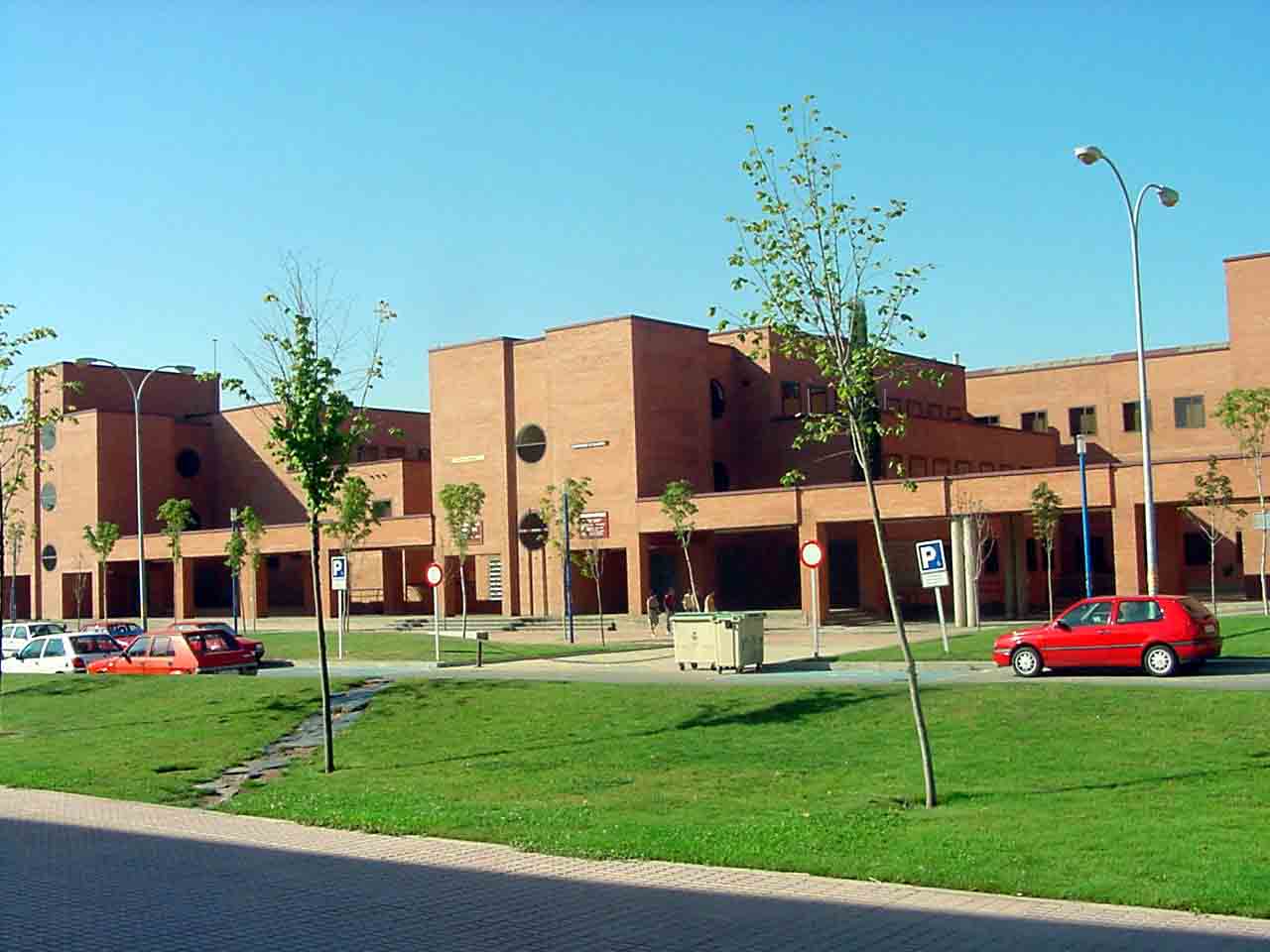
Finally, after more than ten years of persistence and determination, the “Interuniversity Institute of Neurosciences of Castile and León” of the Universities of Salamanca and Valladolid was established under Decree 134/1998 of July 9. This enabled the creation of research lines and training programs such as the Doctorate in Neuroscience, as well as various Master’s degrees and specialist programs.
In 2002, INCYL joined the thematic network of centers of the Carlos III Health Institute within the CIEN project (Center for Research on Neurological Diseases), with the aim of strengthening research groups focused on the study of nervous system disorders.
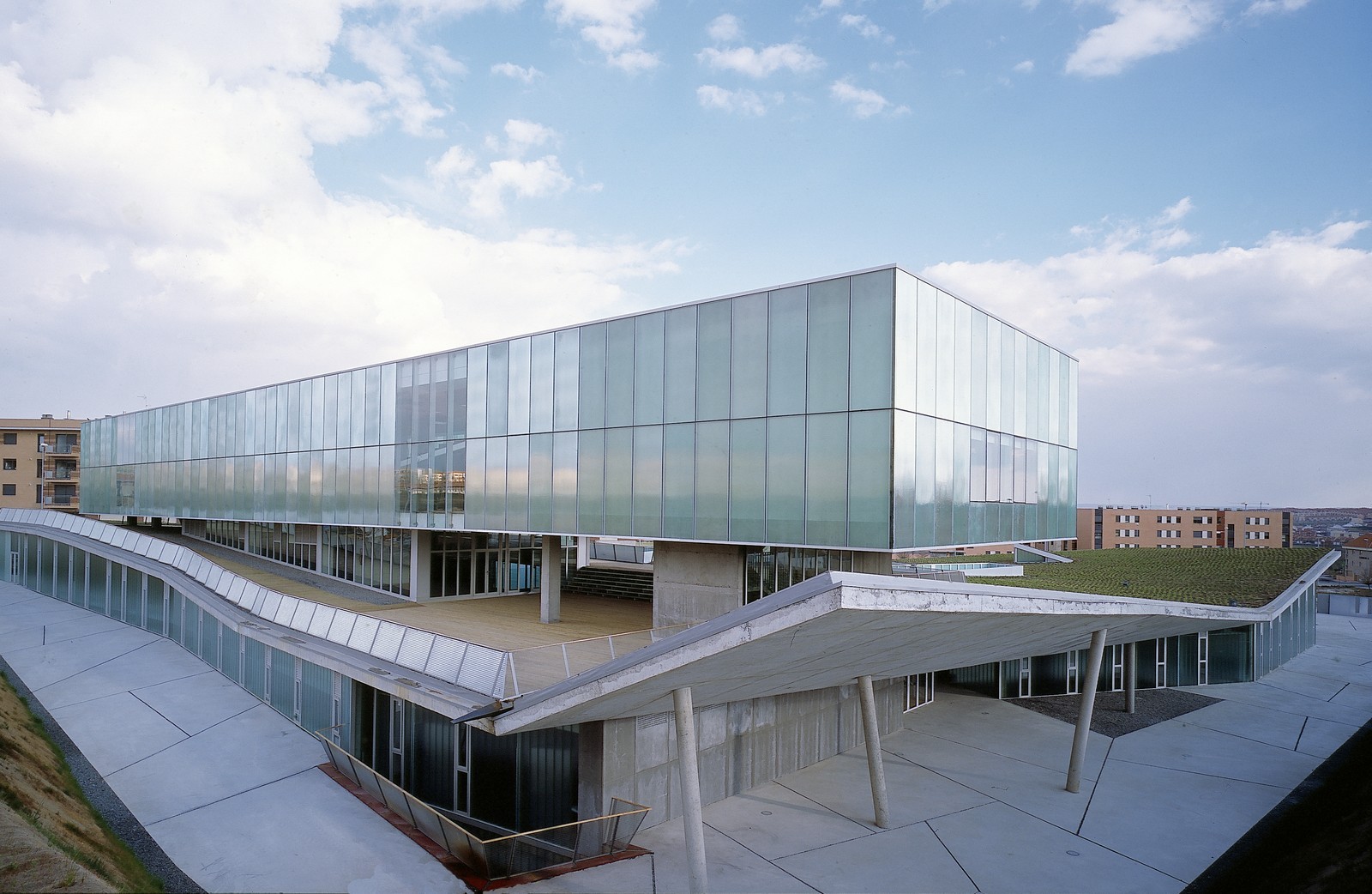
It was in this year that INCYL moved to its current headquarters, a modern-looking building of its own that symbolizes the consolidation of neuroscience in Castile and León. However, some research groups remained at the Faculty of Medicine (and, of course, the group in Valladolid was maintained). In the following years, INCYL underwent a renewal, changing its logo and strengthening its online presence through the redesign of its website.
The INCYL Neurological Tissue Bank was established in 2011, with the aim of collecting, processing, and storing nervous tissue samples (brain, cerebrospinal fluid, and/or spinal cord), voluntarily donated and linked to their clinical data, for post-mortem research studies. In 2013, it was authorized and included in the National Biobank Registry of the Carlos III Health Institute.
Established in 2017 and finally receiving funding from the Regional Government of Castile and León in 2025, the Unit of Excellence emerged as an institutional strategy to promote scientific leadership and innovation in neuroscience. Population ageing and the growing prevalence of neurological diseases represent significant challenges in our region.
Excellence Unit: iBRAINS-INCYL
The iBrains–INCYL Unit of Excellence was created from INCYL’s commitment to a science that not only advances knowledge, but also transforms how we understand, prevent, and treat neurological disorders.
After years of consolidating scientific capacity, international networks, and solid results, the Regional Government of Castile and León formally recognized this effort in 2025, incorporating iBrains–INCYL into the Community’s Network of Units of Excellence.
This Unit structures its research around four major axes of brain function: how the nervous system develops, how cognition is generated, which genetic and molecular mechanisms underlie neuronal function, and how neuronal networks ultimately translate into behavior.
Our scientific work is conceived in an integrated way: we advance knowledge, ensure the quality of evidence, promote open science, and use responsible metrics (DORA, COARA) that go beyond traditional academic impact to also assess the social, economic, technological, and clinical relevance of our work.
iBrains–INCYL exists to attract talent, produce excellent science, generate useful knowledge, and accelerate its transfer to society.
And it does so with public support: co-financed by the Regional Government of Castile and León and the European Regional Development Fund (ERDF) of the European Union.